![knowledge-base-header-bcn3d-logo.png]](https://support.bcn3d.com/hs-fs/hubfs/Knowledge%20base/Header/knowledge-base-header-bcn3d-logo.png?height=40&name=knowledge-base-header-bcn3d-logo.png)
What is PVA?
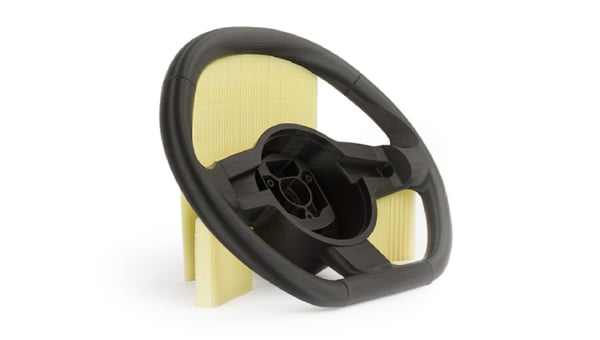
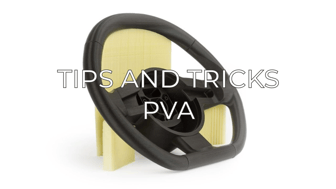
PVA supports allow a better surface quality to accommodate the part to enhance the mechanical properties and print multi-component models and mechanisms. Also, the PVA can be used to print sacrificial molds.
You can purchase PVA from our store: BCN3D PVA
PVA compatibility with BCN3D printers / hotends
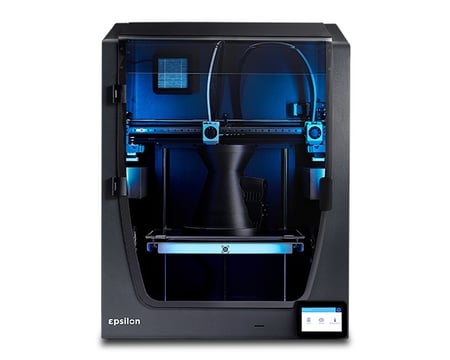
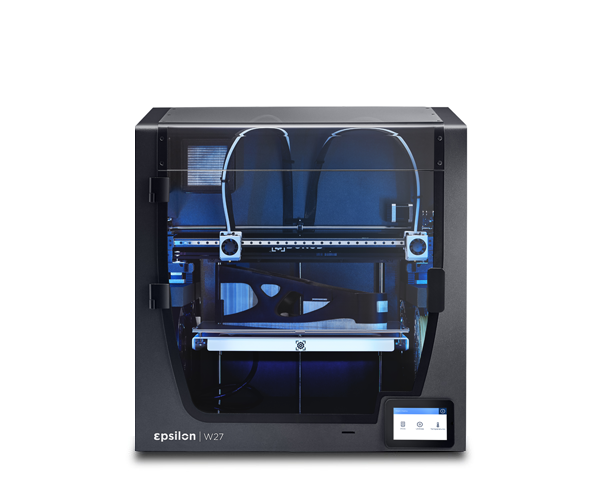
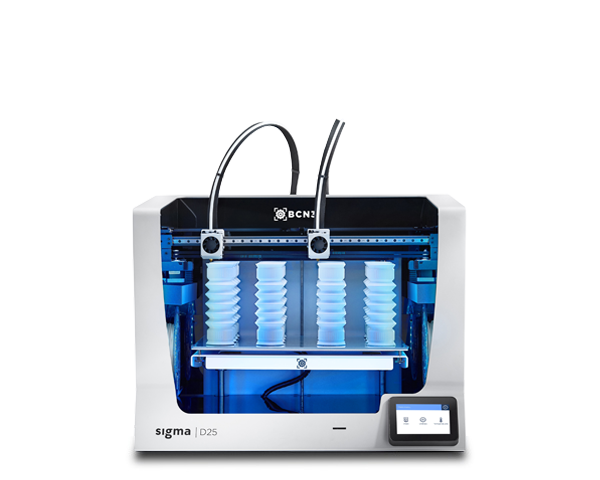
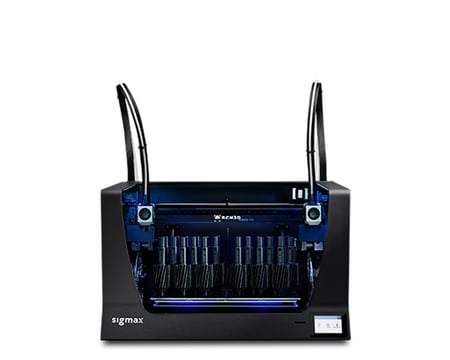
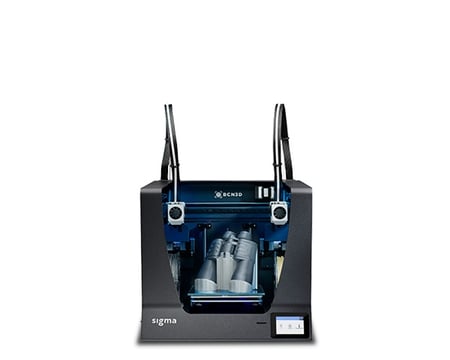
Supported materials combinations
BCN3D PVA is compatible with the following BCN3D Filaments.

PVA printing settings - 0.4 mm nozzle
- Note: BCN3D Lab develops specific configurations for each material and printer. Be sure to use the last BCN3D Stratos version.
Build plate adhesion
Recommendations
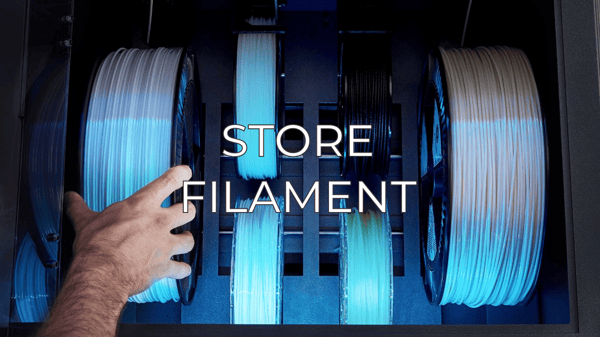
Plastics absorb moisture from the air. If the material is not in use for extended periods of time, it is recommended to keep the PVA spools in a box or airtight container with desiccant to keep them dry.
Dry the PVA before printing, to avoid common issues related to the humidity like burned areas on the printed part or underextrusion.
PVA emits low levels of gasses and particles when printed. We recommend printing it in a well-ventilated area to ensure a healthy environment.
Enabling the support interface is one of the best ways to optimize the use of PVA for 3D printing. Also, helps to reduce the clogs in the hotend.
Digital documentation of the PVA
Here you can find and download the Technical data and the Safety data sheets of our PVA: